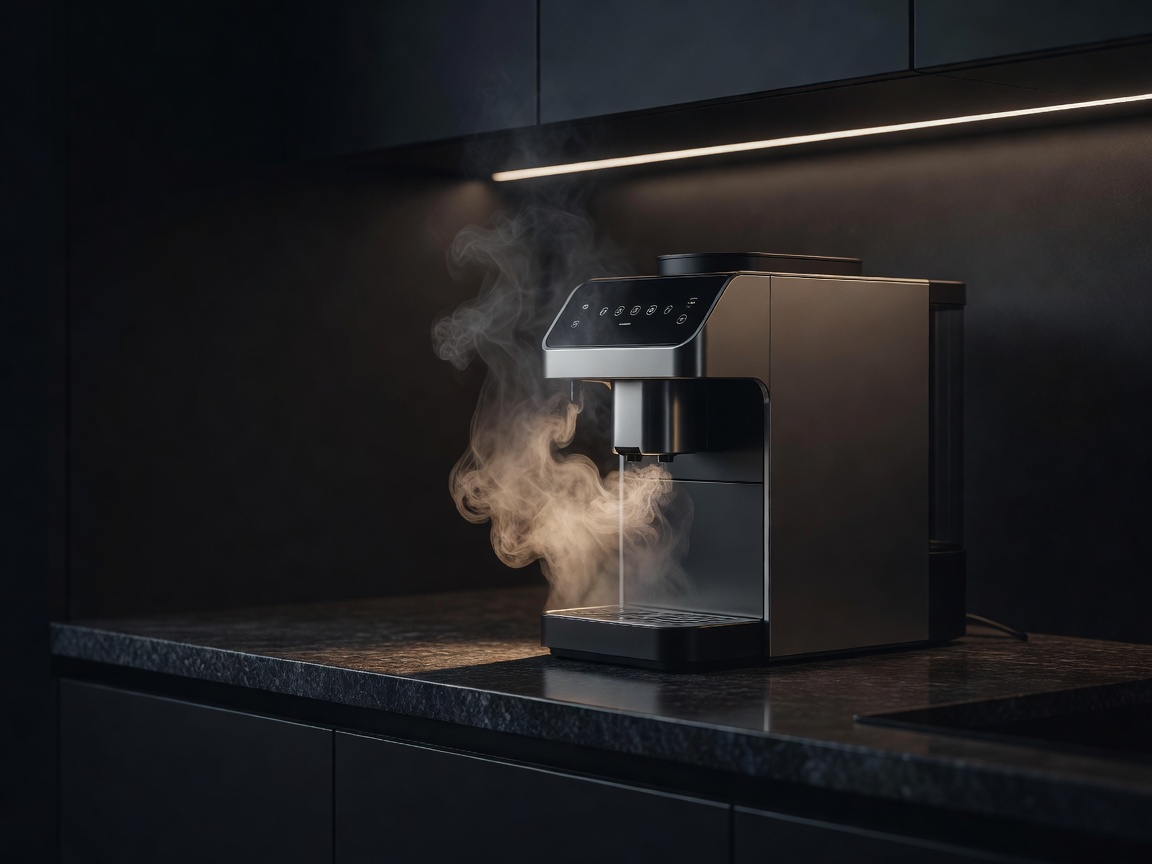
Automating the Morning Routine
For many, the morning coffee routine is sacred. While traditional programmable drip brewers have allowed us to set a brewing time for decades, the new generation of connected coffee makers elevates this process entirely. By integrating with smart home ecosystems and smartphone apps, these machines offer granular control over water temperature, bloom times, and extraction rates, mimicking the precision of a professional barista.
Whether you prefer a simple pot of filter coffee or a complex pulled espresso shot, smart technology is making high-quality extraction more accessible and more consistent.
Precision Brewing via Smartphone
The standout feature of a smart coffee maker is customization. Using a companion app, users can adjust the water temperature down to the degree, ensuring that lighter roasts receive the higher heat they need for proper extraction, while darker roasts are brewed cooler to prevent bitterness. You can also customize the "bloom" phase—the initial wetting of the grounds to release carbon dioxide—setting specific durations based on the freshness of your beans.
Some high-end models are beginning to incorporate RFID or barcode scanning on bean hoppers. This allows the machine to recognize the specific roast profile of the coffee and automatically adjust the grind size and water temperature to the roaster's exact specifications.
Seamless Smart Home Integration
Smart coffee makers truly shine when integrated into a broader home ecosystem. Instead of setting a rigid timer, you can link your coffee maker to your smart alarm clock or fitness tracker. When the system detects that you have woken up, it triggers the brewing process. Alternatively, voice commands via smart speakers allow you to start a brew from bed, provided you prepped the water and grounds the night before.
Maintenance is also streamlined. Connected machines track exactly how many brewing cycles have occurred and will send a push notification when it is time to descale the machine or replace the water filter, prolonging the life of the appliance.
Pros and Cons
- Pros: Exacting control over brewing variables; convenient voice and routine integration; automated maintenance reminders; consistent cup quality.
- Cons: Requires daily physical prep (adding water/grounds) to utilize remote features; higher cost than standard brewers; reliant on Wi-Fi stability.
Conclusion
If you view coffee simply as a vehicle for caffeine, a smart brewer might be excessive. However, for enthusiasts who care about extraction yields, bloom times, and thermal stability, connected coffee makers provide a level of daily consistency and convenience that is hard to beat. They merge the craft of specialty coffee with the ease of modern automation.